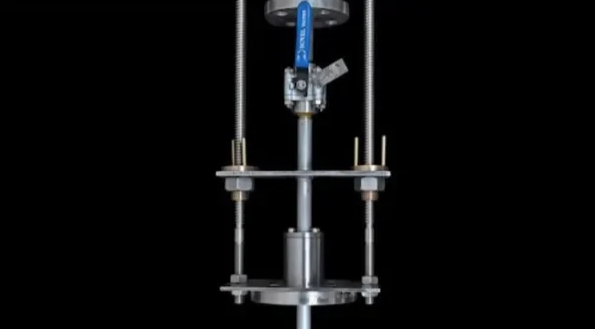
Chemical injection systems play an important role in industrial processes where inhibitors, treatment chemicals and other additives must enter a pipeline at a controlled rate. Although an injection point may appear to be a small part of the overall system, poor design can create significant operational problems. Incorrect positioning, unsuitable materials, excessive pressure, inadequate insertion depth and poor maintenance can affect chemical distribution and equipment reliability. These issues may also increase corrosion, chemical consumption and maintenance requirements. A properly designed injection arrangement should therefore be based on the process fluid, pipeline conditions, chemical characteristics and intended dosing performance rather than relying on a standard component.
Why Injection Quill Design Matters
An injection quill provides a controlled point for introducing a chemical into a flowing process stream. Its design determines where and how the chemical enters the pipeline, which can directly influence distribution.
Matching the Quill to Process Conditions
Pipeline diameter, flow velocity, pressure, temperature and chemical concentration should all be considered during selection. The component must also withstand the mechanical and chemical conditions present inside the pipeline.
If the injection point is too close to the pipe wall, the chemical may remain concentrated in one area rather than dispersing through the full flow. On the other hand, incorrect insertion can create unnecessary obstruction or interfere with the flow profile. The connection type and pressure rating must also match the pipeline specification. A component that is not properly matched to the process can become a weak point in the system.
Poor Chemical Distribution
One of the main problems caused by unsuitable injection arrangements is inconsistent chemical distribution. The purpose of chemical injection is not simply to introduce liquid into the pipeline but to place it where it can interact effectively with the main process stream.
Effect of Injection Location
An injection quill installed in an unsuitable location may discharge the chemical into an area of low turbulence. This can lead to localised concentration and uneven treatment. Nearby bends, valves, reducers and other fittings can alter the velocity profile. The injection point should therefore be positioned with the surrounding piping layout in mind. Where rapid blending is required, downstream mixing equipment may also be considered. The injection point and mixing arrangement should be designed together so that the chemical receives suitable contact with the main process stream.
Corrosion and Material Selection
Injection components can be exposed to both the injected chemical and the main process fluid. If the selected material does not provide adequate resistance, corrosion can develop over time. Chemical concentration and operating temperature are especially important. A material that performs well with a diluted chemical may not provide the same resistance at higher concentrations or temperatures.
Preventing Premature Material Failure
Material selection should cover the complete wetted path rather than only the main body. Connections, seals and other exposed components also need to be compatible with the chemical environment. Corrosion can result in thinning, pitting or surface degradation. In severe conditions, this may eventually lead to leakage and require unplanned shutdowns. For systems where corrosion monitoring is important, corrosion coupons can provide useful information about the corrosive conditions within a process system. They can help operators assess corrosion behaviour over a defined exposure period and support decisions about materials and inhibitor performance.
Pressure and Flow Problems
Chemical injection requires the dosing system to provide sufficient pressure to introduce the chemical into the process pipeline. If the pressure relationship is not properly considered, injection performance can become unstable. An excessively high process pressure may prevent the chemical from entering the pipeline at the intended rate. Conversely, an unsuitable pressure arrangement can allow process fluid to move backwards towards the dosing equipment. The injection component must also withstand the operating and design pressure of the pipeline. Appropriate check valves, isolation arrangements and pressure control may be required depending on the application. Flow velocity should also be considered because it influences how rapidly the injected chemical mixes with the process fluid.
Maintenance and Long-Term Performance
Even a well-designed injection arrangement requires periodic inspection. Chemical deposits, corrosion, erosion and blockage can gradually affect performance.
Detecting Problems Early
A partially blocked injection point can increase pressure in the dosing line and reduce the amount of chemical entering the process. Changes in dosing pressure or flow may therefore indicate developing restrictions. External inspection should also check for leakage, corrosion or damage around connections and sealing areas. In corrosive process environments, corrosion coupons can complement other monitoring methods by providing a practical way to assess the corrosion tendency of the operating environment. The information obtained can help identify whether process conditions or chemical treatment need further review.
Designing for Reliable Chemical Injection
Reliable performance begins with complete process information. Engineers should know the pipeline dimensions, fluid composition, operating pressure, temperature, flow rate and chemical dosing rate before finalising the design. The injection location should provide suitable contact with the main stream, while material selection should account for the chemical and process environment. Maintenance access is another important consideration. Isolation points and connections should be arranged so that inspection or replacement can be performed without unnecessary disruption.
A well-engineered system should also consider the relationship between the dosing pump, injection component and downstream process. When these elements are designed together, the likelihood of poor distribution, leakage and premature wear can be reduced.
Conclusion
Poorly designed chemical injection points can cause uneven dosing, corrosion, leakage, pressure problems and premature component failure. Correct material selection, suitable positioning, proper pressure management and regular inspection are essential for dependable performance. The injection arrangement should be developed according to the actual pipeline and chemical conditions rather than using a standard configuration for every application. Corrosion monitoring can also provide valuable information about the process environment and help support long-term equipment decisions. NND OIL & GAS can provide engineered process equipment solutions suited to specific chemical handling and industrial operating requirements.